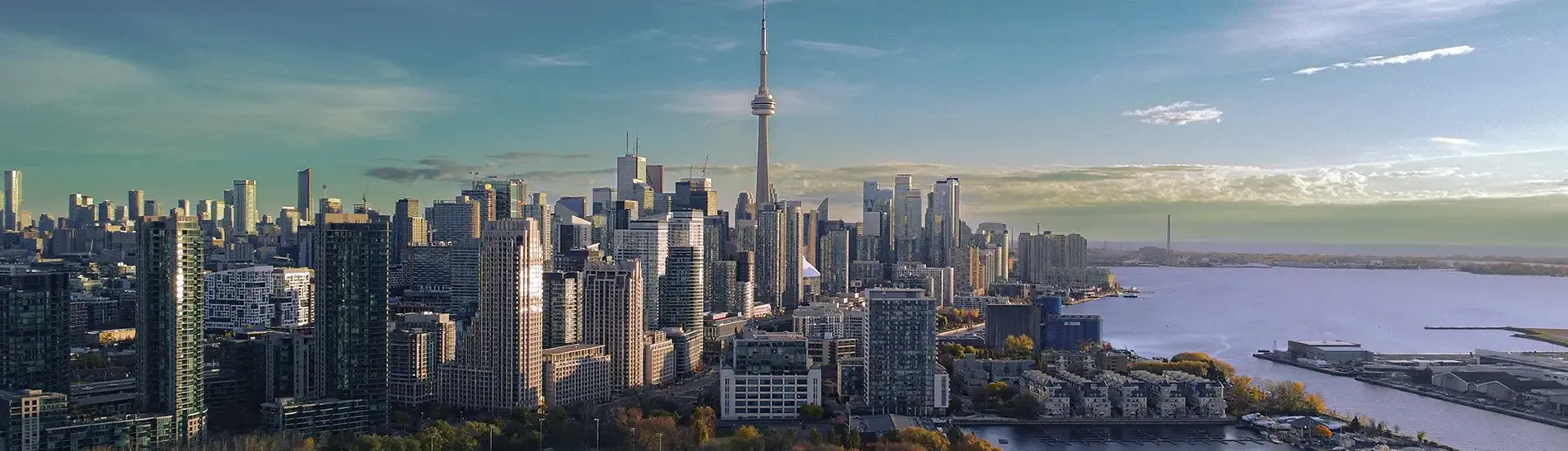
115 Years of Building Toronto’s Waterfront
For 115 years, the Toronto Port Authority and its predecessor, the Toronto Harbour Commissioners, have helped shape Toronto’s waterfront and the city around it. Since 1911, our mandate has evolved, but our purpose has remained remarkably consistent: to address the challenges and opportunities of the waterfront and unlock its potential for Toronto.
Established in 1911, the Toronto Harbour Commissioners was created to oversee Toronto Harbour and guide the development of the city’s waterfront. Its work helped transform the shoreline, support the growth of marine commerce and create important transportation infrastructure, including Billy Bishop Toronto City Airport.
In 1999, the Toronto Port Authority was established under the Canada Marine Act, carrying this legacy forward with responsibility for Toronto’s harbour and downtown airport operations. Today, we continue that work through Billy Bishop Toronto City Airport, the Port of Toronto, Outer Harbour Marina and our waterfront properties.
As we mark our 115th anniversary, we are celebrating more than our history. We are recognizing 115 years of city-building, connecting people and goods, supporting economic growth, stewarding the waterfront and adapting to meet the changing needs of Toronto.
That legacy continues to shape where we are going next. Through our vision, Transportation Reimagined, we are looking ahead to how Toronto’s transportation assets and waterfront can continue to support the economy, protect the environment, connect communities and contribute to a high quality of life for generations to come.
Timeline
Acknowledging the Land and Its Peoples
Toronto, also known as Tkaronto, has been home to Indigenous Peoples since time immemorial.
The Toronto Port Authority acknowledges that the lands and waters on which we operate are the traditional territory of many nations, including the Mississaugas of the Credit, the Anishnabeg, the Chippewa, the Haudenosaunee and the Wendat peoples, and are now home to many diverse First Nations, Inuit and Métis peoples.
We recognize that Toronto is covered by Treaty 13 with the Mississaugas of the Credit. We honour the enduring presence, knowledge and stewardship of Indigenous Peoples, and recognize the importance of respecting the lands and waters that have sustained communities here for generations.
The Foundations of a Harbour City
1750–1910 The origins of Toronto’s waterfront
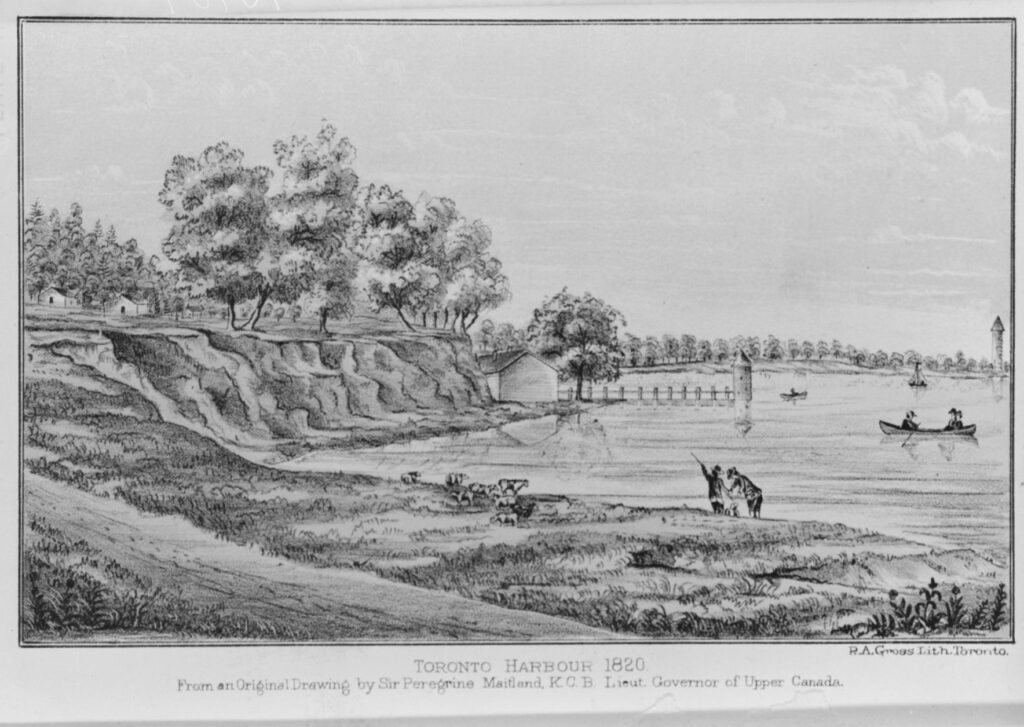
Toronto’s story has always been connected to its harbour. From its earliest days as a trading port, the waterfront supported commerce, transportation and the growth of the settlement that became Toronto. Over time, the need to coordinate harbour management, protect the shoreline and plan for the city’s future became increasingly apparent. These early developments laid the groundwork for a more unified approach to waterfront stewardship and city building.
A Harbour for Trade and Exchange
1750
Fort Toronto’s trading port is established, serving as an early centre for commerce and movement along the waterfront until 1760.
The Founding of York
1793
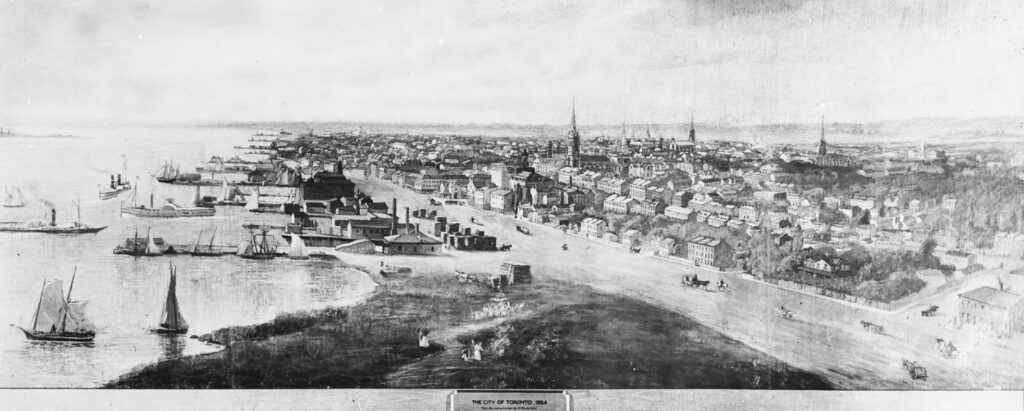
The Town of York is founded, and provincial authorities begin governing the port. As the settlement develops, the harbour becomes increasingly important to its economic prospects and future growth.
A Call for Coordinated Harbour Management
1844
Toronto’s Board of Trade campaigns for a Harbour Trust with authority over the harbour.
The First Harbour Commissioners
1850
Five Harbour Commissioners are appointed to manage the harbour, with ownership and control divided among the Commission, the City, railways and private interests.
A Changing Waterfront
1865
The Waterfront Esplanade is completed, marking an important stage in the development of Toronto’s harbour edge and its relationship with the growing city.
Protecting Toronto Island
1882
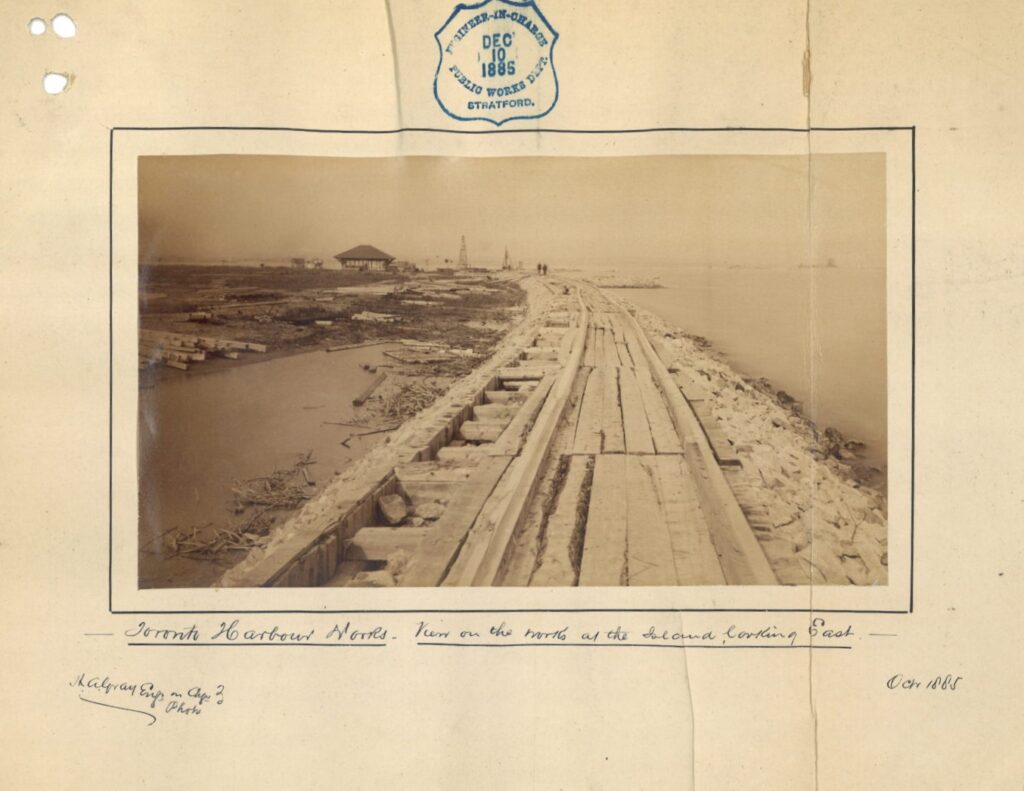
A breakwater is constructed to protect Toronto Island. The work underscores the importance of managing the relationship between the harbour, the lake and the shoreline as Toronto’s waterfront continues to evolve.
The City-Building Era
1911–1939 Planning and building a modern waterfront
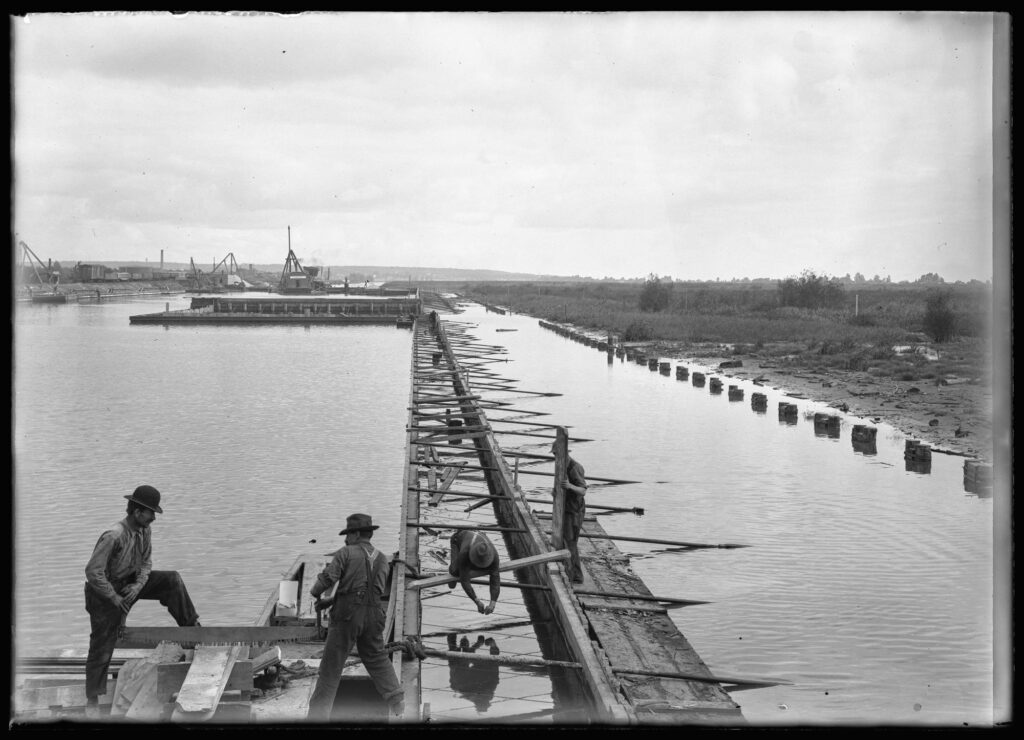
The establishment of the Toronto Harbour Commissioners in 1911 marked a defining moment in Toronto’s waterfront history. With a more coordinated mandate for the harbour, the organization helped reshape the shoreline, create new land and facilities, expand public recreational spaces and establish aviation infrastructure. This period established a lasting city-building approach: investing in the physical foundations of a growing Toronto while balancing commercial activity with public access and waterfront use.
A New Chapter in Waterfront Stewardship
1911
The federal government passes the Toronto Harbour Commissioners Act. The establishment of the Toronto Harbour Commissioners creates a foundation for coordinated harbour management and long-term waterfront planning.
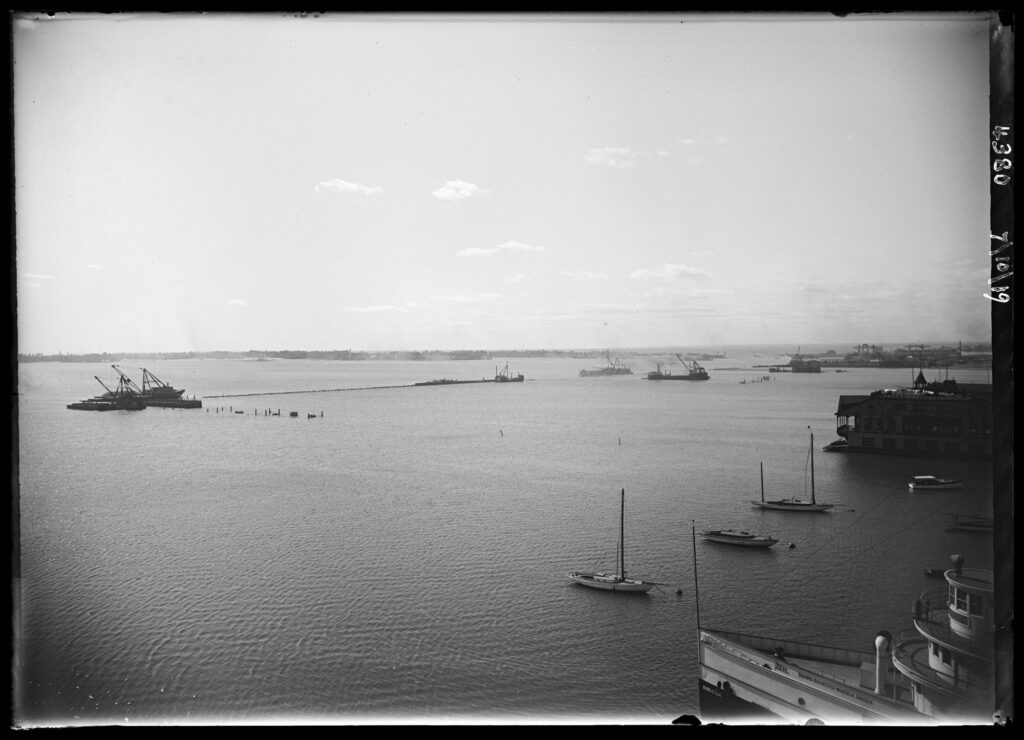
Shaping Toronto’s Harbour
1912–1925
The Toronto Harbour Commissioners advance an overall waterfront plan that transforms the harbour’s physical geography. Old piers are cleared, water lots are filled, the Toronto Islands are expanded, the eastern Port Lands are created through fill, beaches are developed to the east and west of the harbour, and harbour entrances are developed. These ambitious works establish much of the waterfront’s modern form and create space for future transportation, industry and urban development.
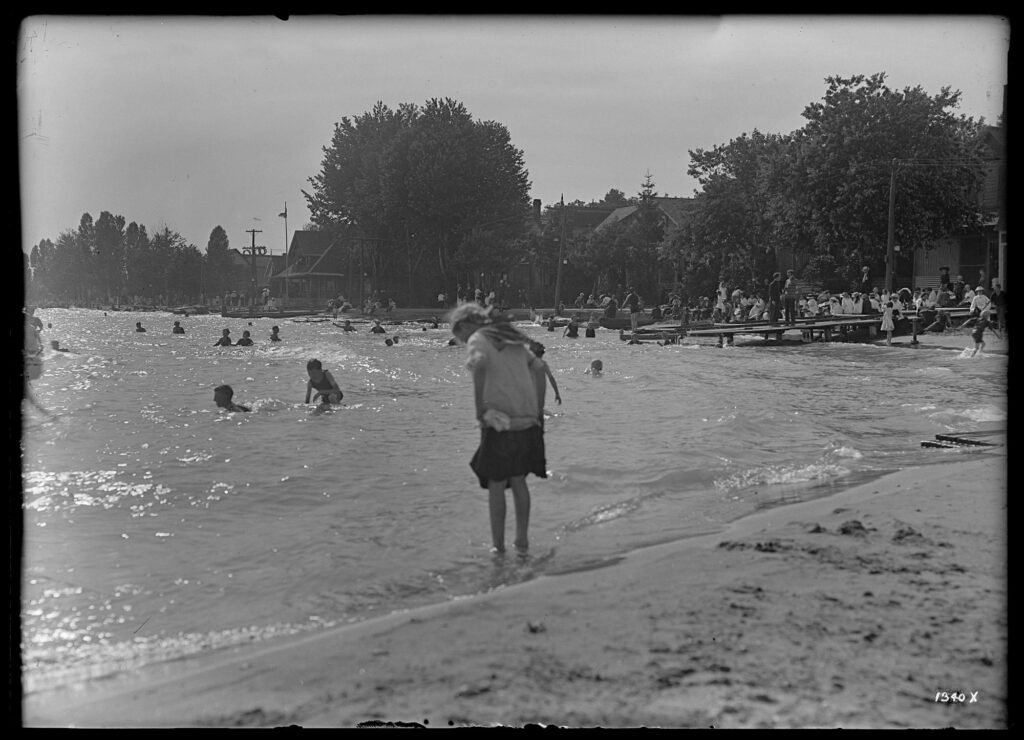
Creating Space for Recreation
1912–1961
The Toronto Harbour Commissioners expand the Toronto Islands and city’s beaches over several decades, creating additional recreational space for residents.
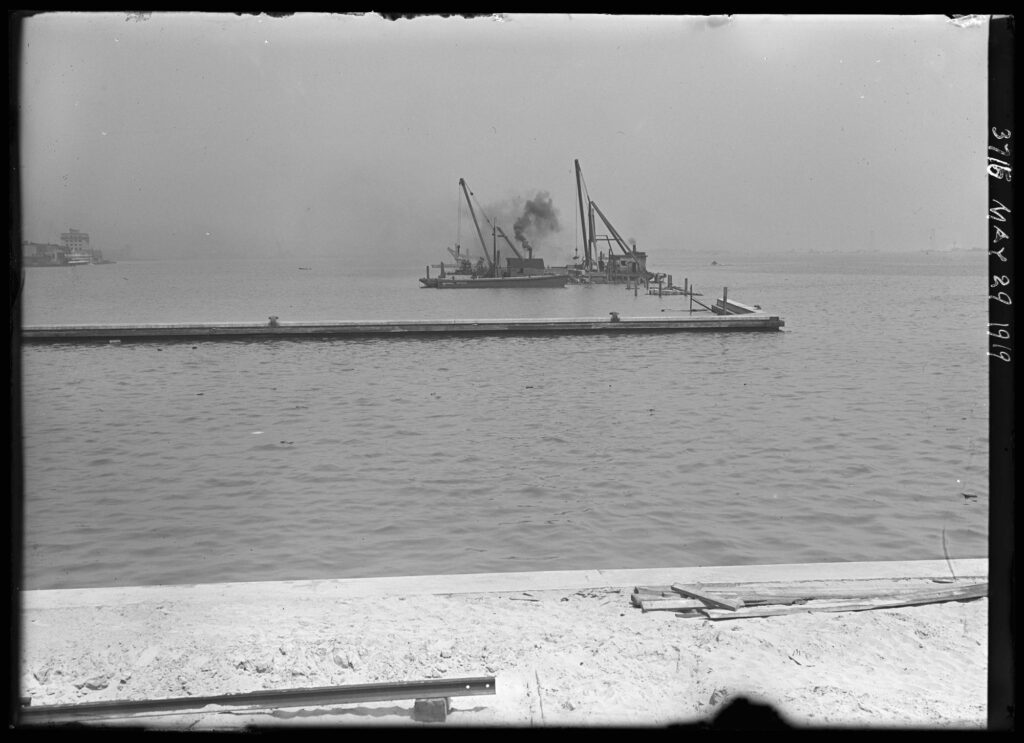
Building the Harbour’s Quays
1914–1961
The Commissioners develop quays extending into Toronto Bay, including areas now associated with Corus Quay, HTO Park Quay and Eireann Quay, formerly Bathurst Quay.
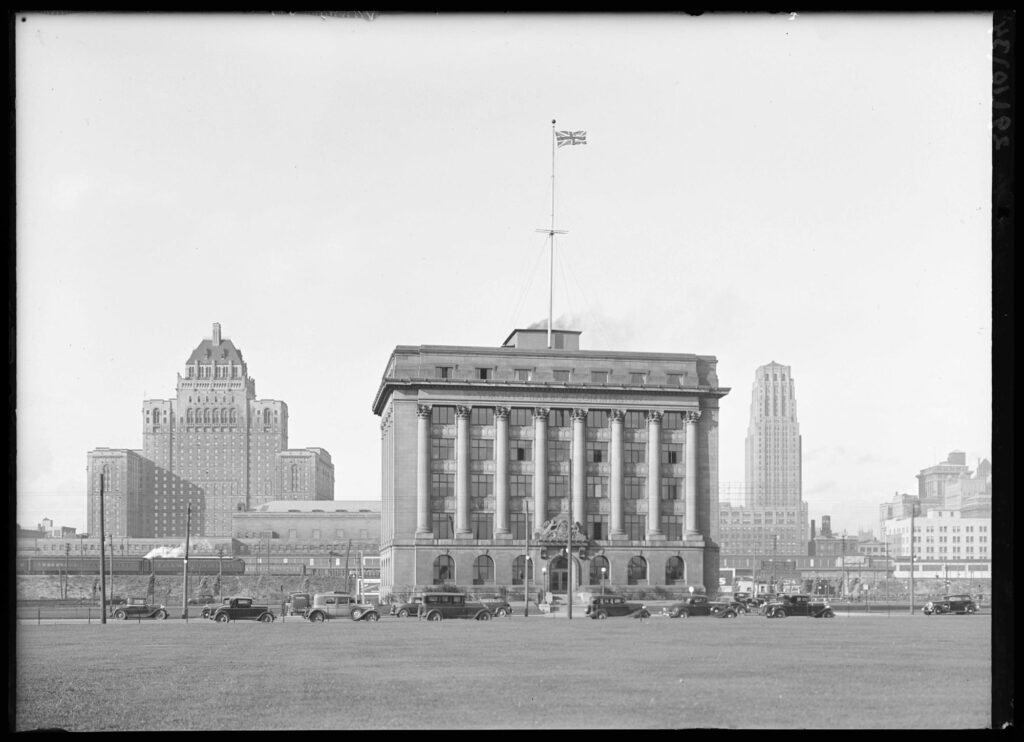
Investing in Waterfront Infrastructure
1918
The Toronto Harbour Commissioners complete construction of 60 Harbour Street.
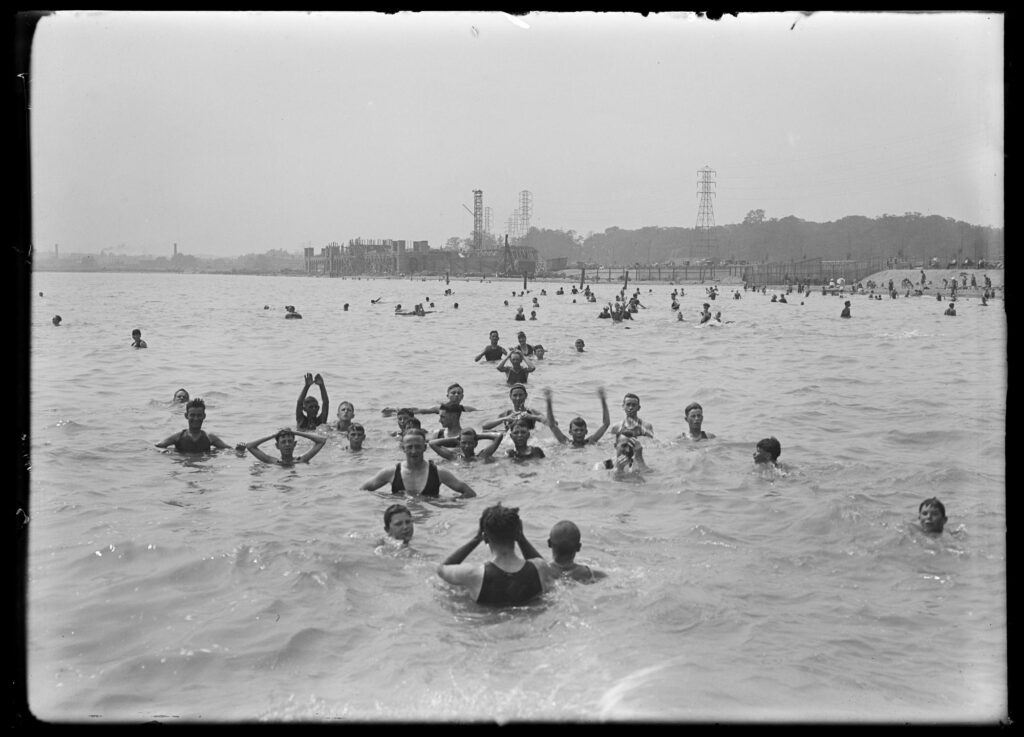
Expanding Public Waterfront Life
1922
Sunnyside Park and its amusement park are completed, establishing a popular recreational destination along Toronto’s waterfront. The development reflects a city-building vision that recognizes the harbour as a place for public enjoyment as well as economic activity.
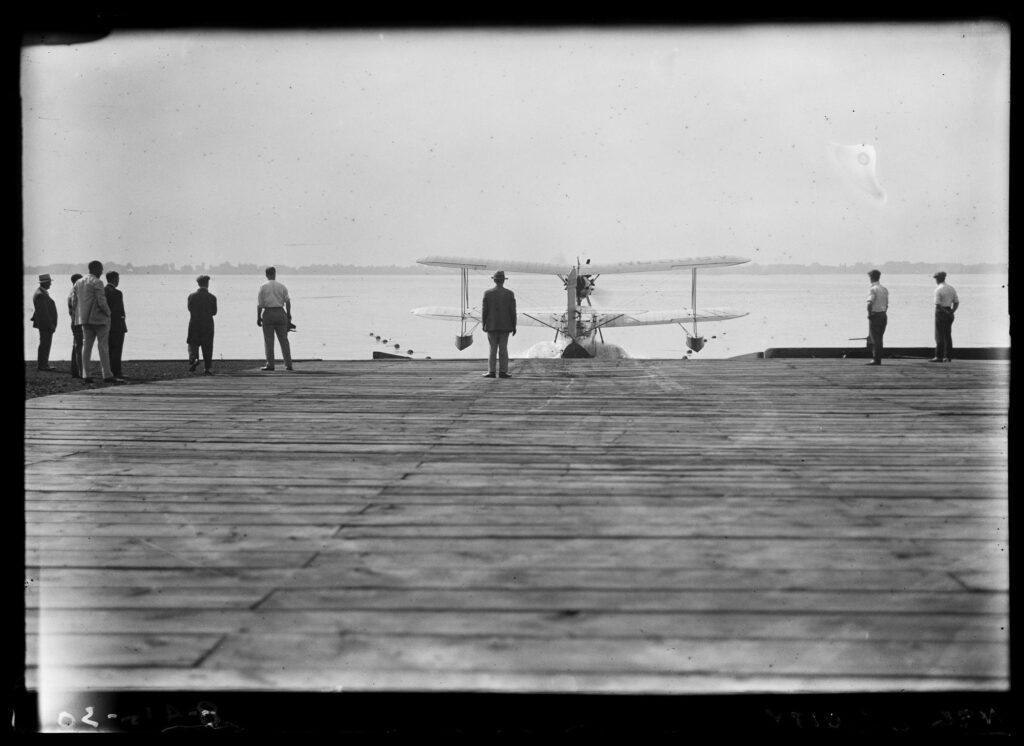
Toronto’s First Civil Air Harbour
1929
The Commissioners complete Toronto’s first civil air harbour and commercial seaplane base. This early investment signals an expanding transportation mandate and the waterfront’s emerging role in connecting Toronto by air.
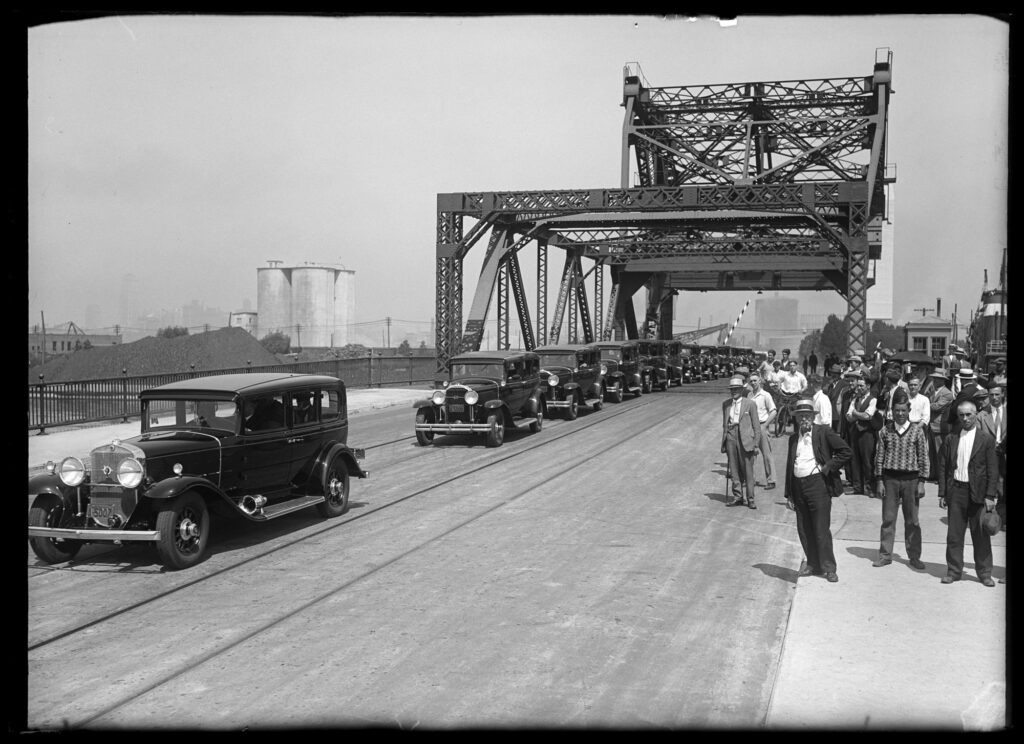
Improving Connections Across the Harbour
1929
The Ship Channel Bridge is completed, strengthening transportation connections around the working harbour and supporting the movement of people and goods.
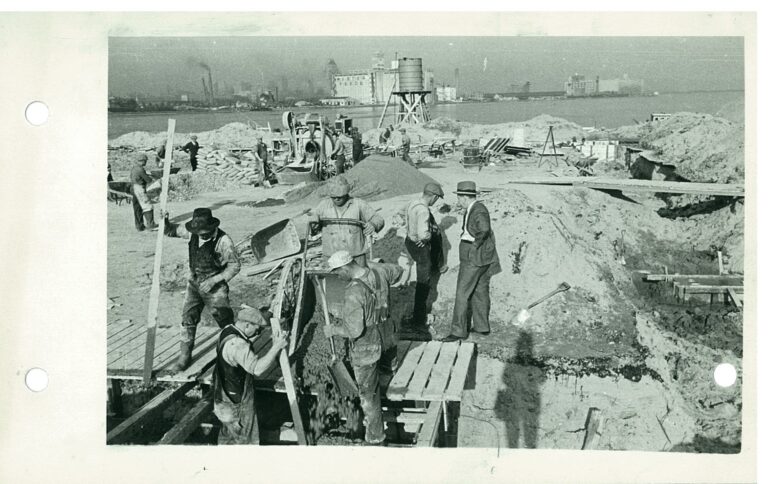
Planning for a New Era of Aviation
1937
Construction begins on Malton Airport and Toronto Islands Airport, the predecessors of today’s Toronto Pearson International Airport and Billy Bishop Toronto City Airport. These developments mark a significant step in the evolution of regional air transportation.
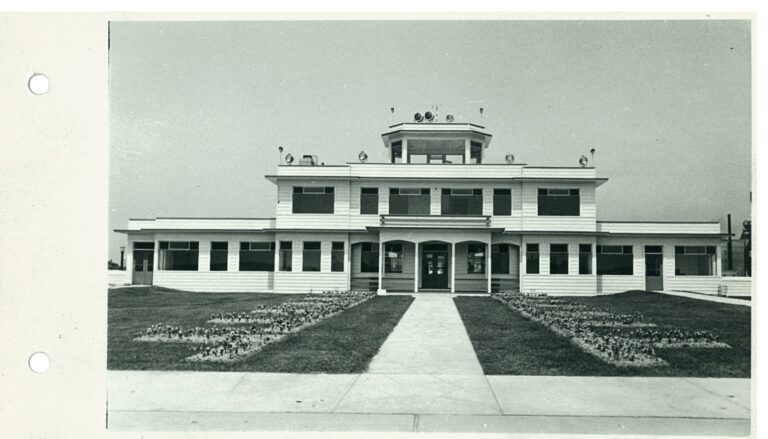
Billy Bishop Toronto City Airport Opens
1939
The Toronto Harbour Commissioners complete construction of Toronto Island Airport, which opens to the public. The airport establishes a lasting transportation link at the heart of the city.
Connecting Toronto to the World
1940–1989 Trade, transportation and a changing waterfront
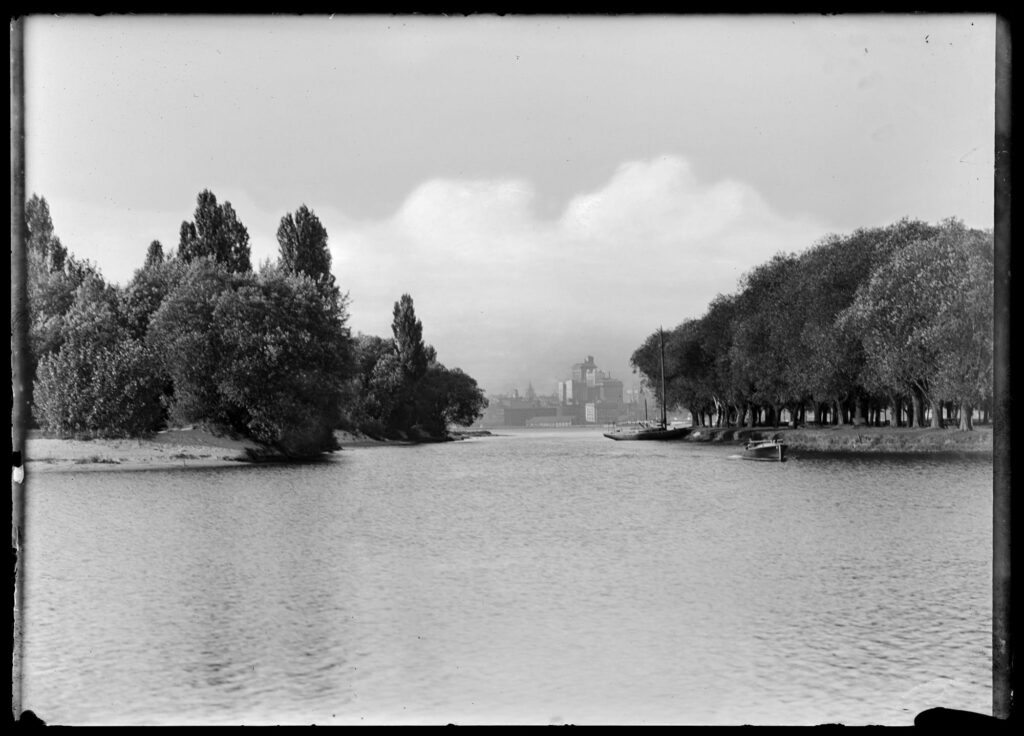
As Toronto grew into a major economic centre, its waterfront infrastructure continued to evolve to meet the needs of marine commerce, aviation and public recreation. The opening of the St. Lawrence Seaway strengthened the port’s connections to international markets, while airport investments expanded regional connectivity. At the same time, harbour management, policing and environmental land creation reflected the complexity of balancing a working waterfront with the needs of a growing city.
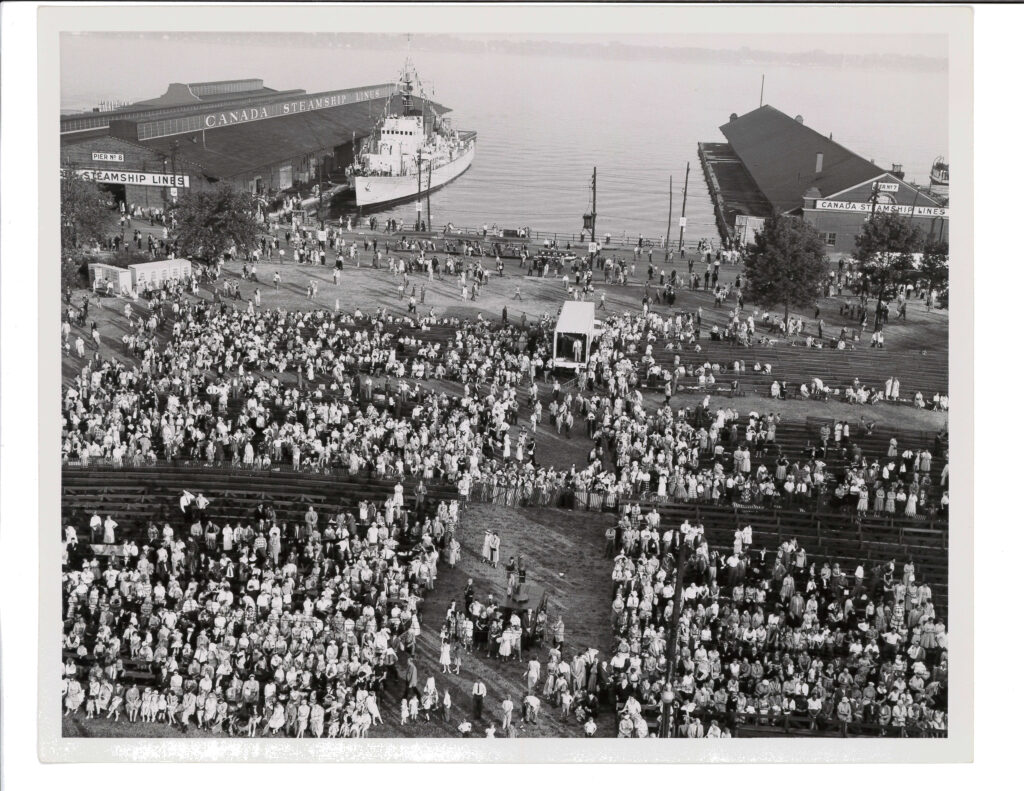
Connecting Toronto to Global Shipping Routes
1959
The St. Lawrence Seaway opens, enhancing Toronto’s access to continental and international shipping routes and reinforcing the Port of Toronto as a link between regional businesses and broader markets.
Shaping the Eastern Waterfront
1959
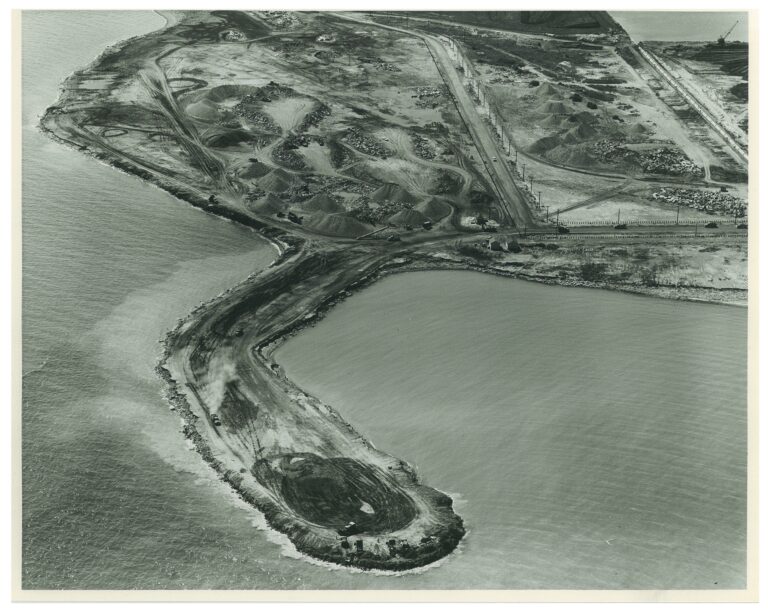
The Toronto Harbour Commissioners begin creating the Leslie Street Spit. This major land-forming project becomes a defining feature of Toronto’s eastern waterfront and, over time, an important landscape for wildlife and nature-based recreation.
Expanding Airport Capacity
1961
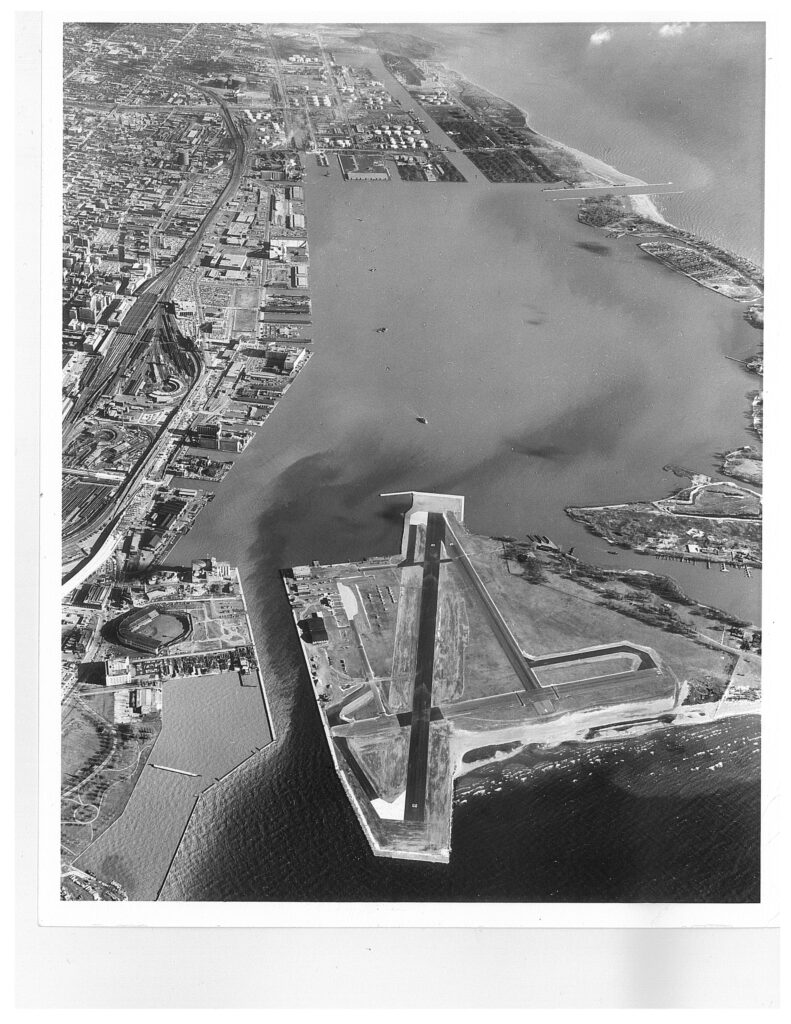
A new 4,000-foot runway opens at Billy Bishop Toronto City Airport, increasing its capacity and operational capabilities.
Taking a Greater Role in Marine Operations
1962
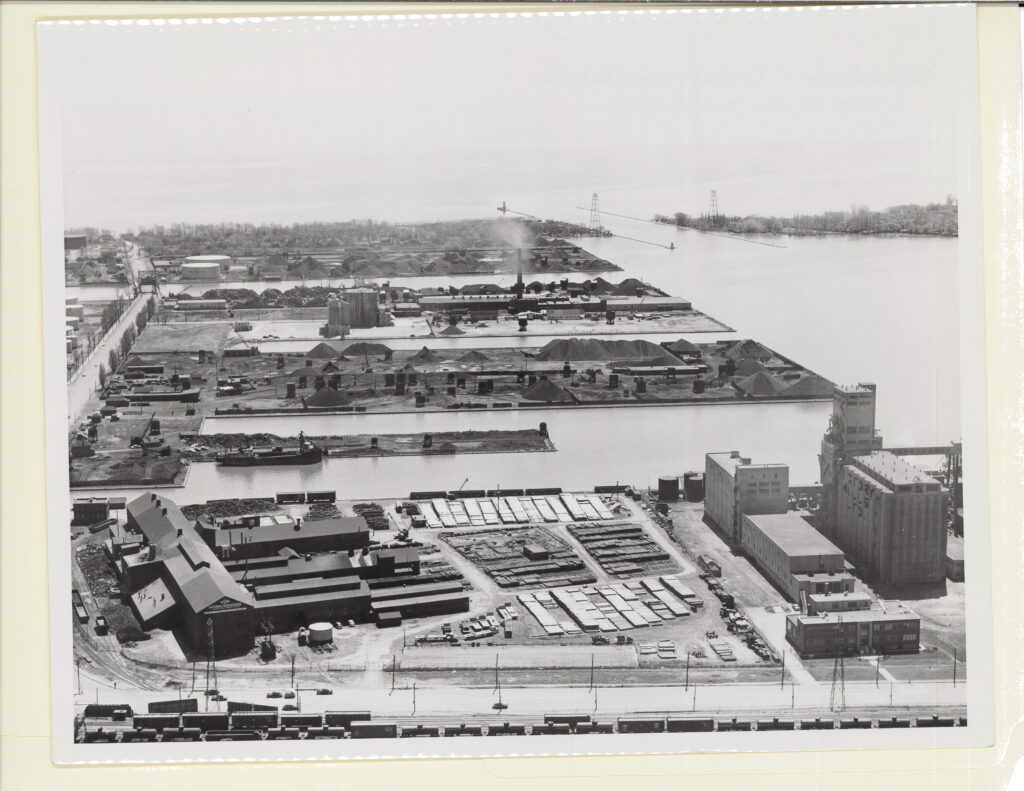
The Commissioners assume responsibility for operating marine terminals, strengthening their direct role in the port’s commercial operations and the infrastructure supporting the movement of goods.
Dedicated Harbour Policing
1966
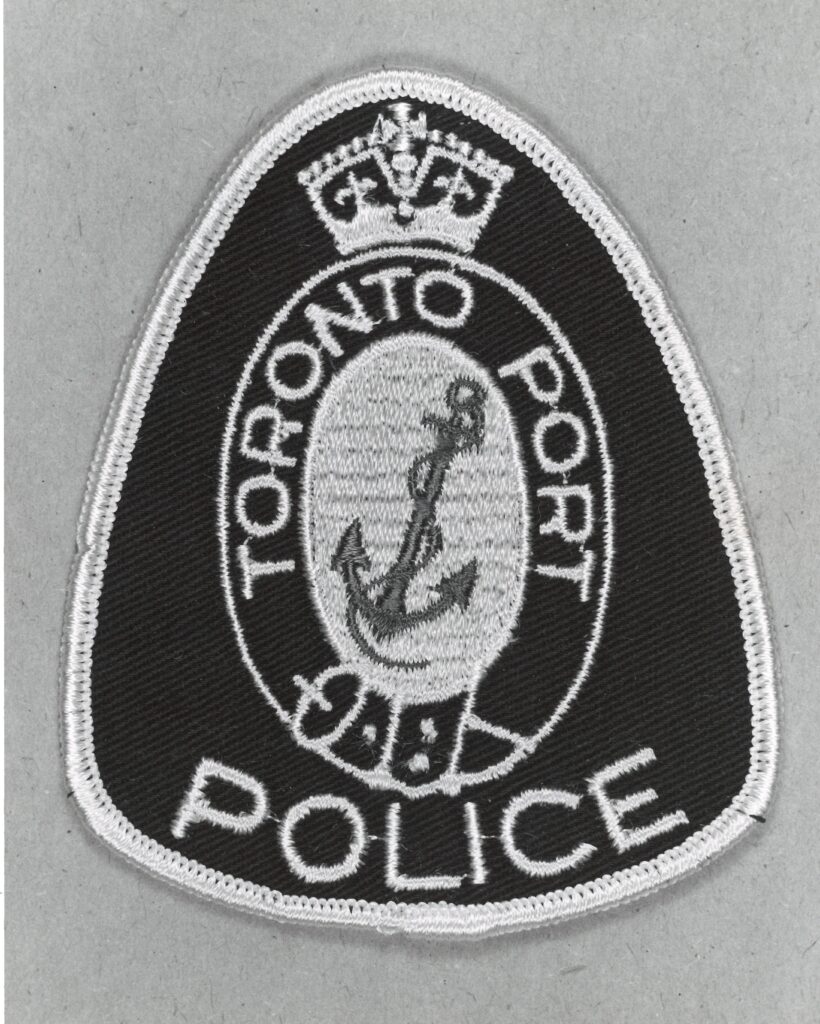
Toronto Port Police is established to provide dedicated security and law-enforcement services across Toronto Harbour.
A New Entrance to the Port
1975
The Eastern Gap becomes the harbour’s new port entrance, marking a significant change to the physical configuration of Toronto’s harbour and the routes used to access it.
Evolving Harbour Security
1982
Toronto Port and Harbour Police merge with Toronto Metropolitan Police.
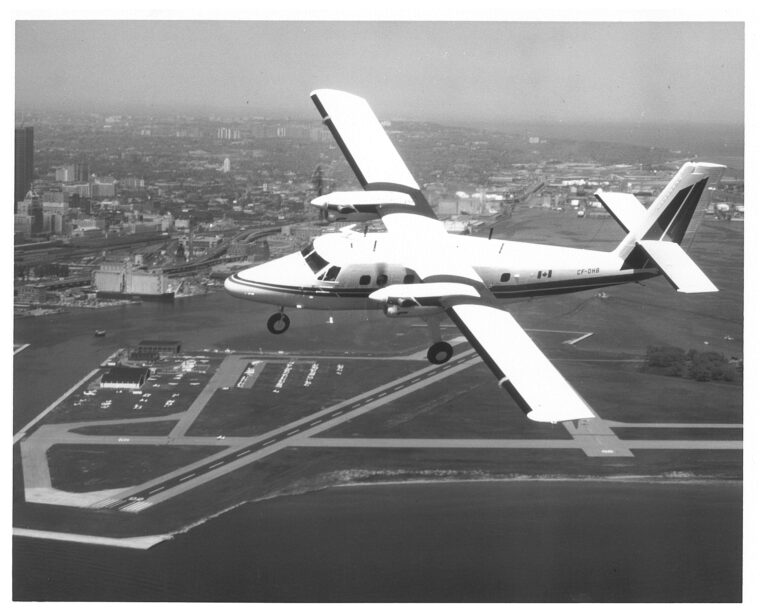
A Framework for Airport Governance
1983
The Toronto Harbour Commissioners, the City of Toronto and the federal government sign the Tripartite Agreement governing Toronto City Centre Airport, formerly Toronto Island Airport.
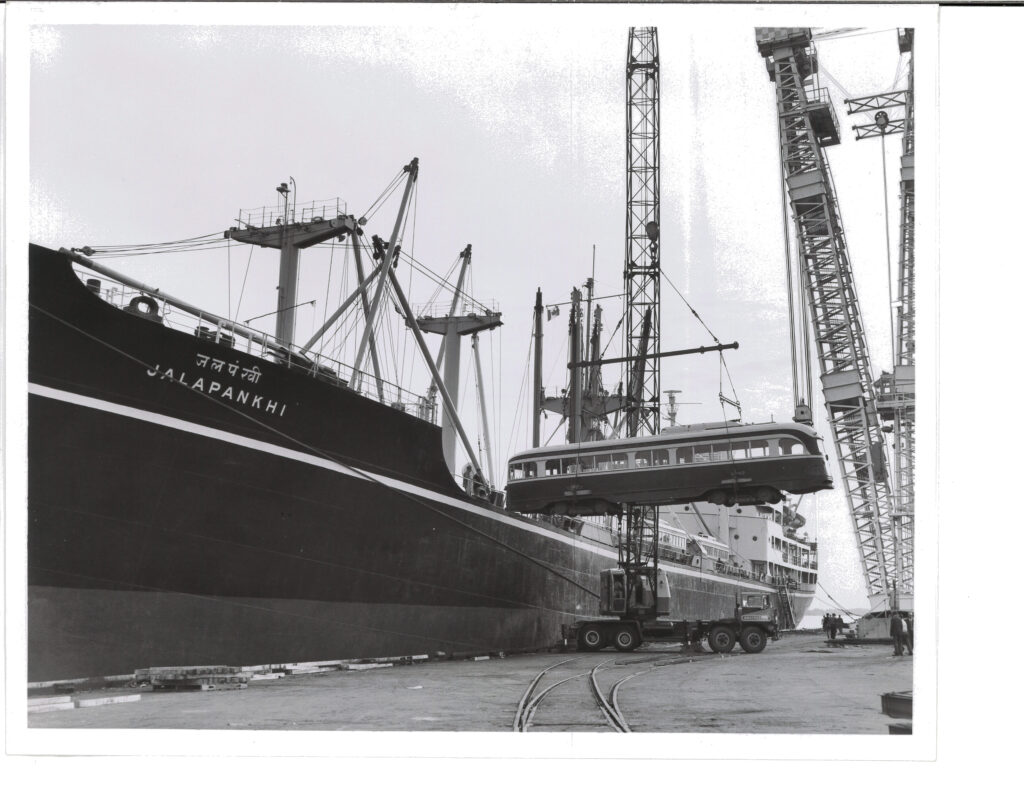
Modernizing Cargo Movement
1985
Intermodal operations begin at Marine Terminal 35, supporting the transfer of cargo between transportation modes and strengthening the port’s role in Toronto’s goods movement network.
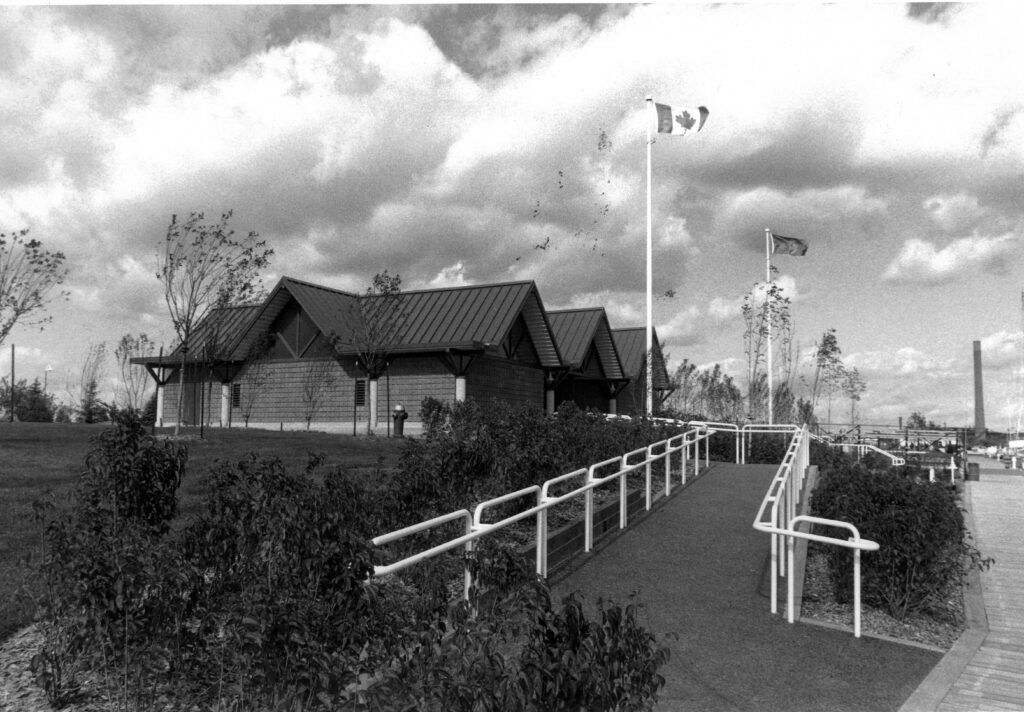
Opening the Outer Harbour Marina
1989
The Outer Harbour Marina opens, expanding recreational boating opportunities and establishing a lasting destination for waterfront users.
A Modern Port Authority Takes Shape
1990–2005 Modern governance and a changing waterfront
The 1990s brought changes to waterfront land ownership, port governance and the organization’s role in Toronto’s evolving urban landscape. The creation of the Toronto Port Authority under the federal Canada Port Authority framework established a modern governance structure for managing key transportation assets. Investments in marine passenger facilities and cross-border transportation also demonstrated the waterfront’s continuing potential to connect Toronto with destinations across Lake Ontario and beyond.
Making Room for a Changing Waterfront
1991–1994
The Toronto Harbour Commissioners transfer 640 acres of waterfront land to the City of Toronto and TEDCO. The transfer forms part of a broader transition in waterfront land use and responsibilities, creating opportunities for the City and other partners to pursue new approaches to redevelopment.
A New Federal Framework for Ports
1998
The Canada Marine Act comes into effect on June 11, 1998, establishing the legislative framework for Canada’s port authorities.
The Toronto Port Authority Is Established
1999
The Toronto Harbour Commissioners transition to the Toronto Port Authority under the Canada Port Authority framework. The new organization carries forward a longstanding waterfront legacy within a modern federal governance structure, with responsibility for advancing the port’s transportation and economic role.
Reconnecting Toronto and Rochester
2004–2006
The Toronto–Rochester fast ferry service introduces a cross-border passenger connection across Lake Ontario.
Welcoming Marine Passengers
2005
The International Marine Passenger Terminal (also known as the Port of Toronto Cruise Ship Terminal) opens, providing dedicated infrastructure for passenger vessels and supporting Toronto’s role as a destination on the Great Lakes cruise network.
Reimagining Urban Transportation
2006–2018 Connectivity, modernization and operational innovation
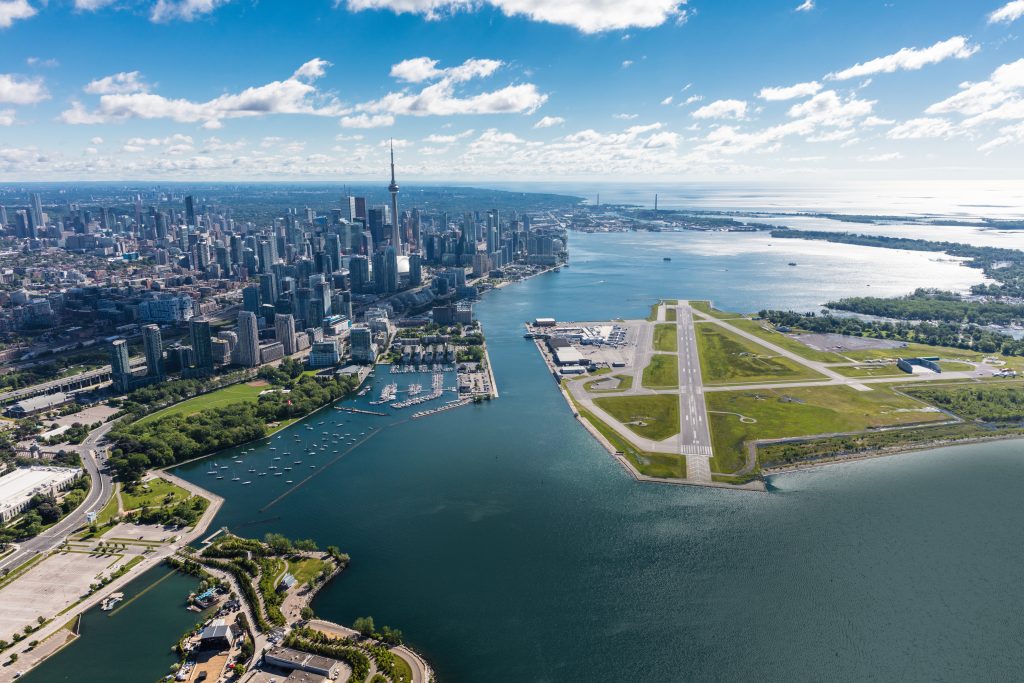
During this period, Billy Bishop Toronto City Airport became an increasingly important part of Toronto’s regional transportation network. New airline services, improved passenger access and significant airfield investments strengthened the airport’s role in connecting the city to domestic and international destinations. The organization also demonstrated how a responsible infrastructure operator can invest in modernization while responding to the needs of its neighbours and the surrounding urban environment.
A New Chapter in Regional Air Travel
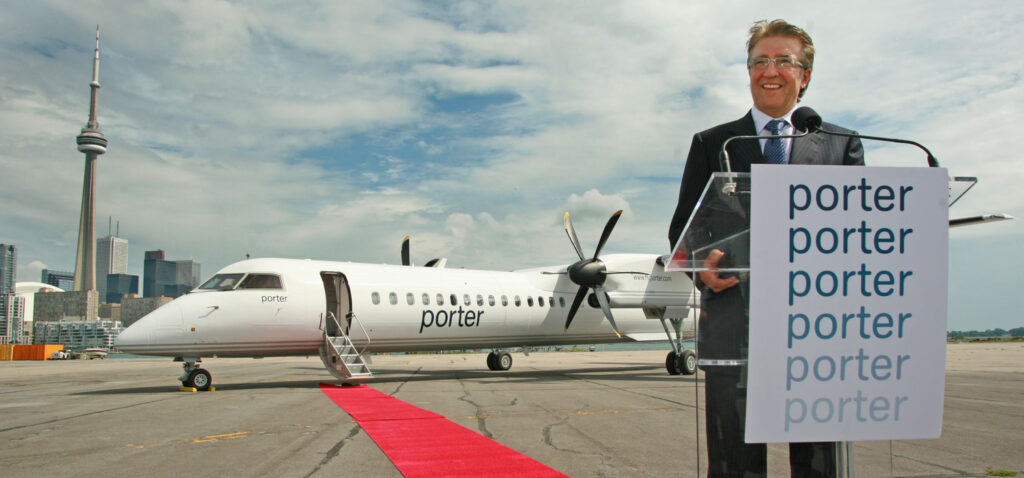
A New Chapter in Regional Air Trave
2006
Porter Airlines begins service from Toronto City Centre Airport, now Billy Bishop Toronto City Airport. The launch marks a significant development in the airport’s modern commercial aviation role, strengthening travel options for residents, businesses and visitors.
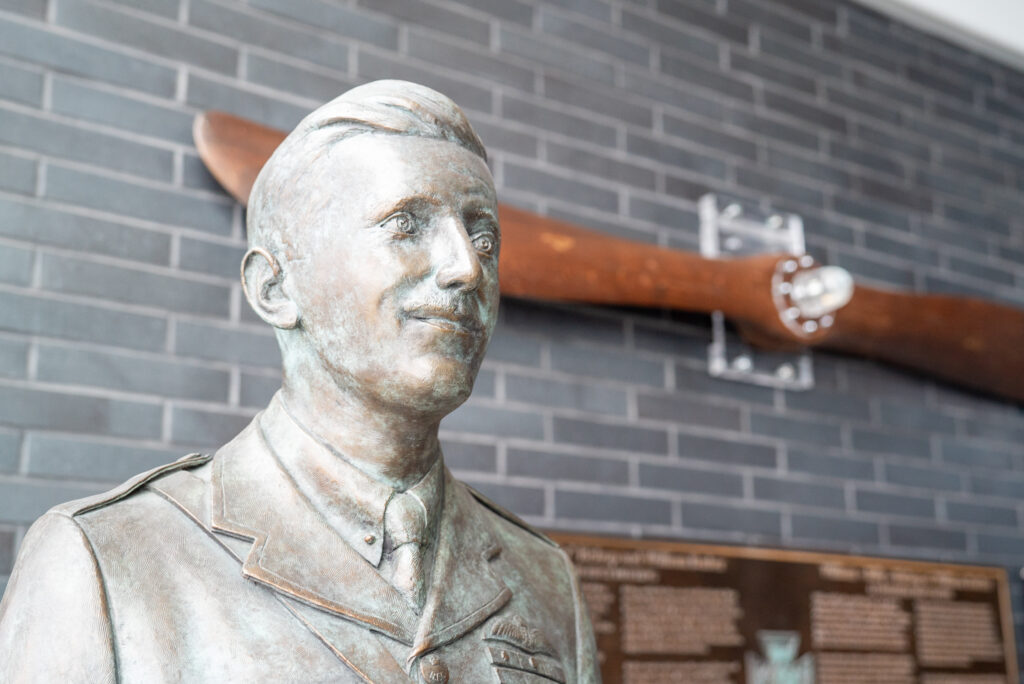
Honouring an Aviation Pioneer
2009
Toronto City Centre Airport is renamed Billy Bishop Toronto City Airport, recognizing the Canadian First World War flying ace.
A Century of City Building—and New Air Service
2011
Air Canada begins service from Billy Bishop Toronto City Airport, broadening the airport’s airline offering. In the same year, the Toronto Port Authority celebrates its centenary, marking 100 years of work to develop Toronto’s harbour, strengthen transportation infrastructure and support the city’s economic growth.
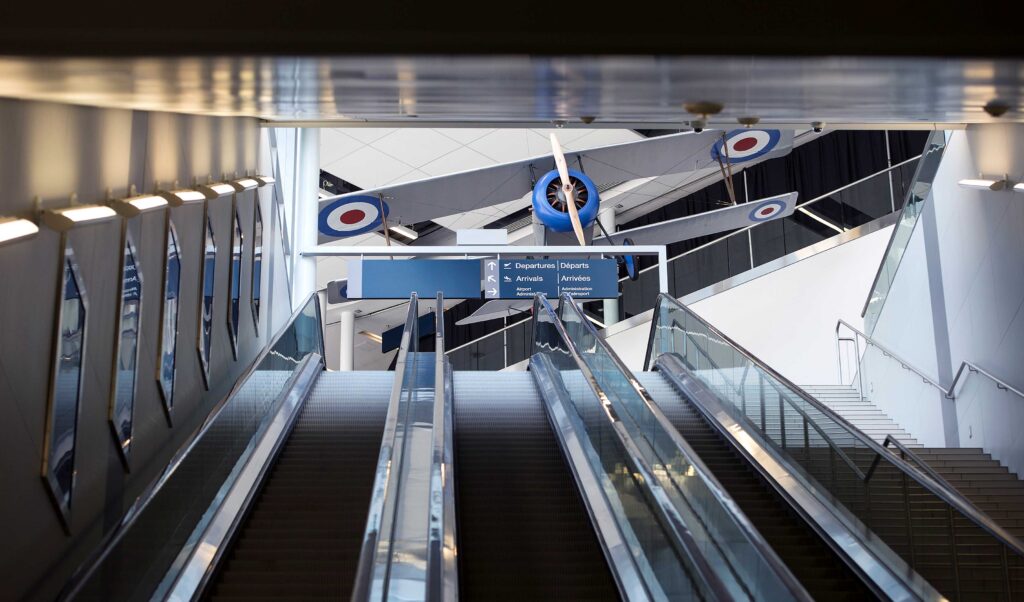
A New Pedestrian Connection to the Airport
2012–2015
Construction begins on a pedestrian tunnel linking Toronto’s mainland to Billy Bishop Toronto City Airport. The tunnel opens in 2015, providing a fixed connection to the island airport and improving passenger access.
Celebrating Two Waterfront Milestones
2014
Billy Bishop Toronto City Airport marks its 75th anniversary, while the Outer Harbour Marina celebrates its 25th. Together, these milestones highlight the breadth of the organization’s responsibilities—from aviation and regional connectivity to recreational boating and waterfront access.
A New Public Identity
2015
The organization adopts the PortsToronto brand, reflecting its portfolio of transportation and waterfront assets. The brand brings its airport, marine port and marina activities under a more unified identity while continuing the work of a federal port authority.
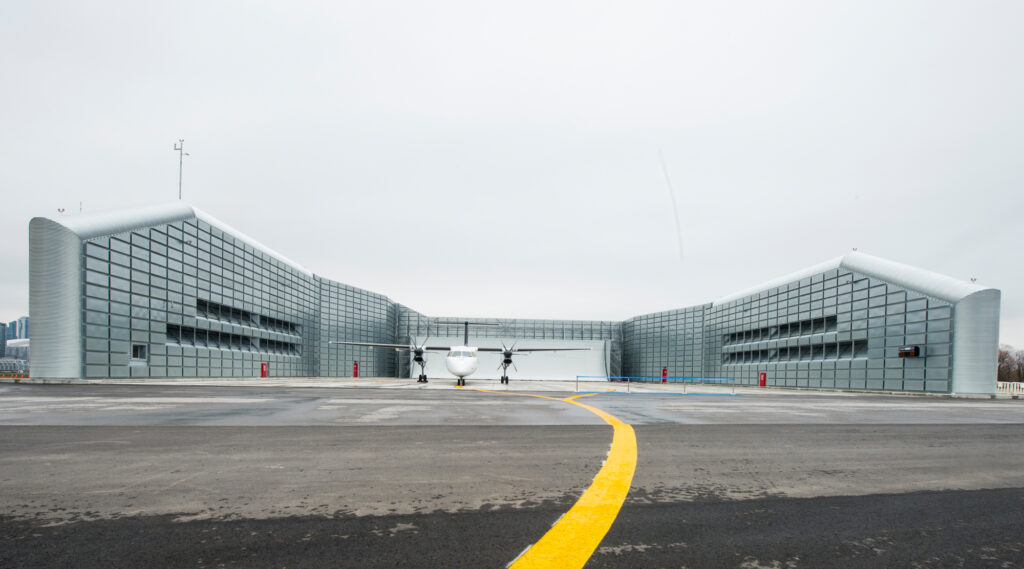
Investing in Noise Management
2017
The Toronto Port Authority opens its Ground Run-up Enclosure at Billy Bishop Toronto City Airport. The three-sided, open-top facility is designed to dampen noise associated with high-power aircraft engine testing on the ground, demonstrating a practical approach to airport operations and community considerations.
Renewing Critical Airport Infrastructure
2018
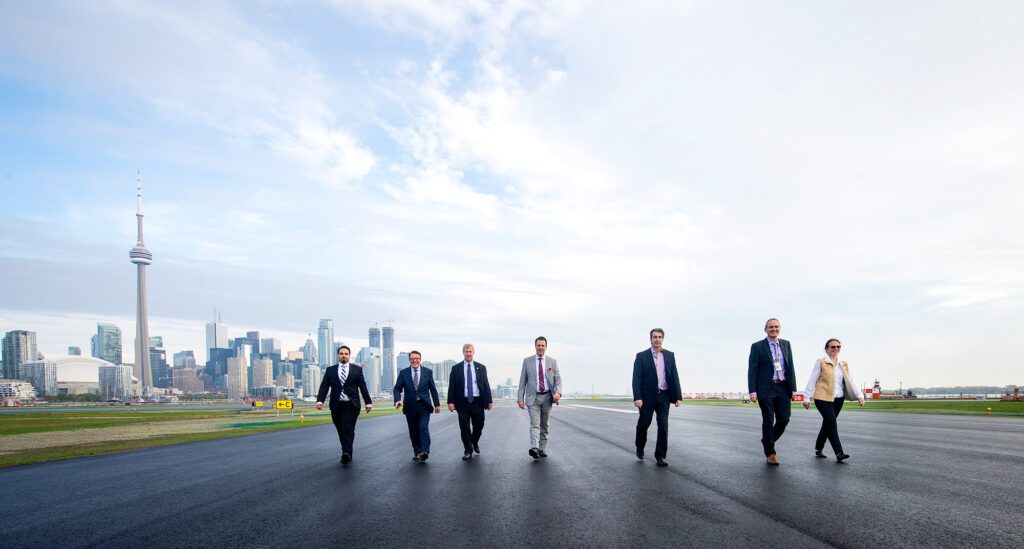
The Billy Bishop Airfield Rehabilitation Program is completed following a three-year investment in runway and taxiway reconstruction, energy-efficient LED lighting and the Ground Run-Up Enclosure.
Building a Sustainable Waterfront Future
2019–2026 Environmental stewardship, innovation and the next generation of transportation
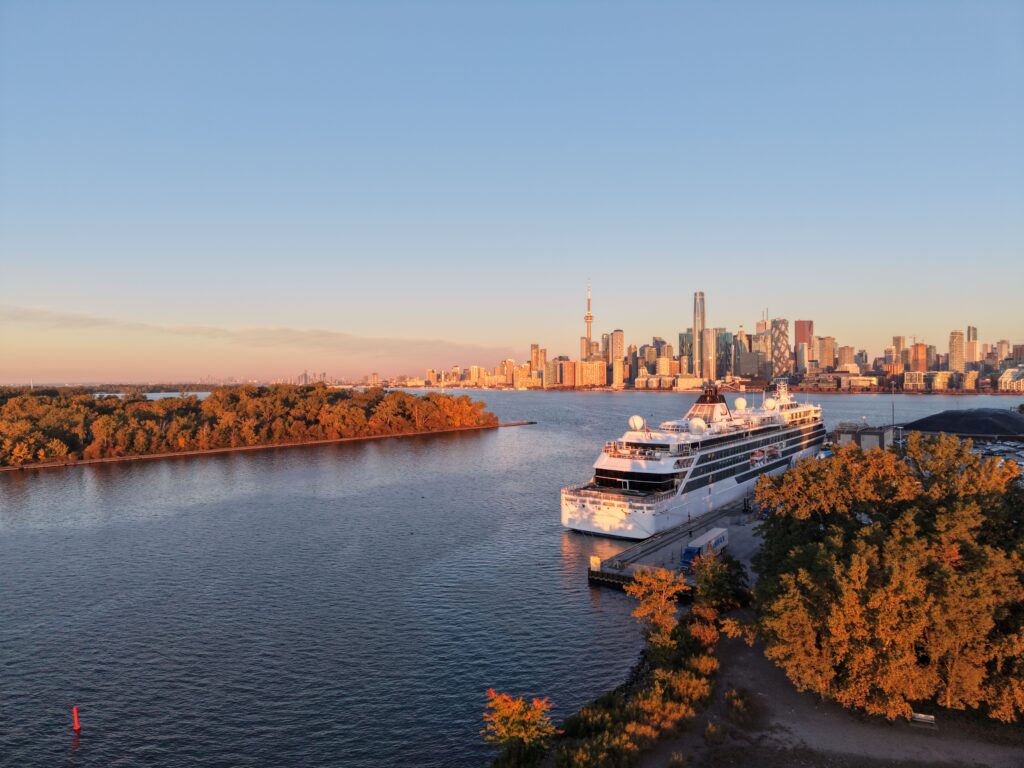
The Toronto Port Authority’s recent history reflects a broader understanding of what it means to manage critical transportation infrastructure in a growing waterfront city. Alongside airport modernization and expanding marine passenger activity, the organization has advanced initiatives focused on reducing waste in the harbour, exploring zero-emission marine transportation and strengthening Toronto’s connections to the world. Its renewed organizational identity reinforces a long-standing mandate: to serve Toronto through responsible infrastructure management, environmental stewardship and forward-thinking transportation solutions.
Celebrating Aviation Heritage and Advancing Harbour Stewardship
2019
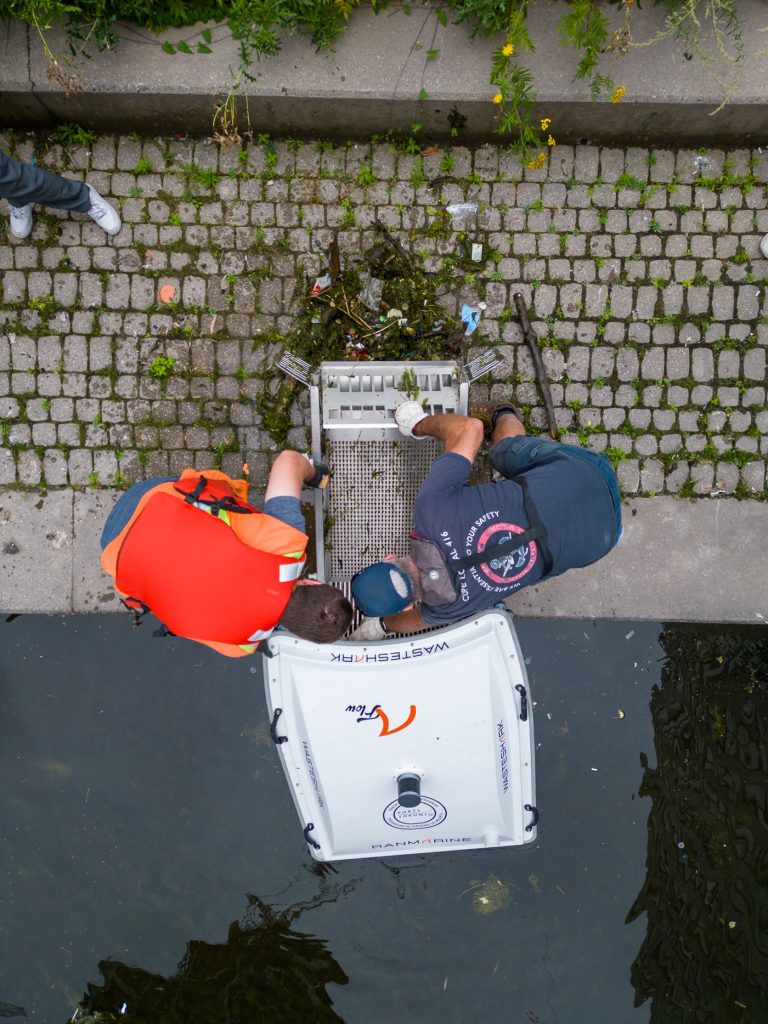
Billy Bishop Toronto City Airport celebrates its 80th anniversary. In the same year, the Toronto Port Authority launches its Trash Trapping Program in partnership with the University of Toronto Trash Team. Using Seabin devices to capture floating debris and collect data, the program combines practical action with research to better understand harbour waste and help inform upstream solutions.
Advancing Zero-Emission Marine Transportation
2021
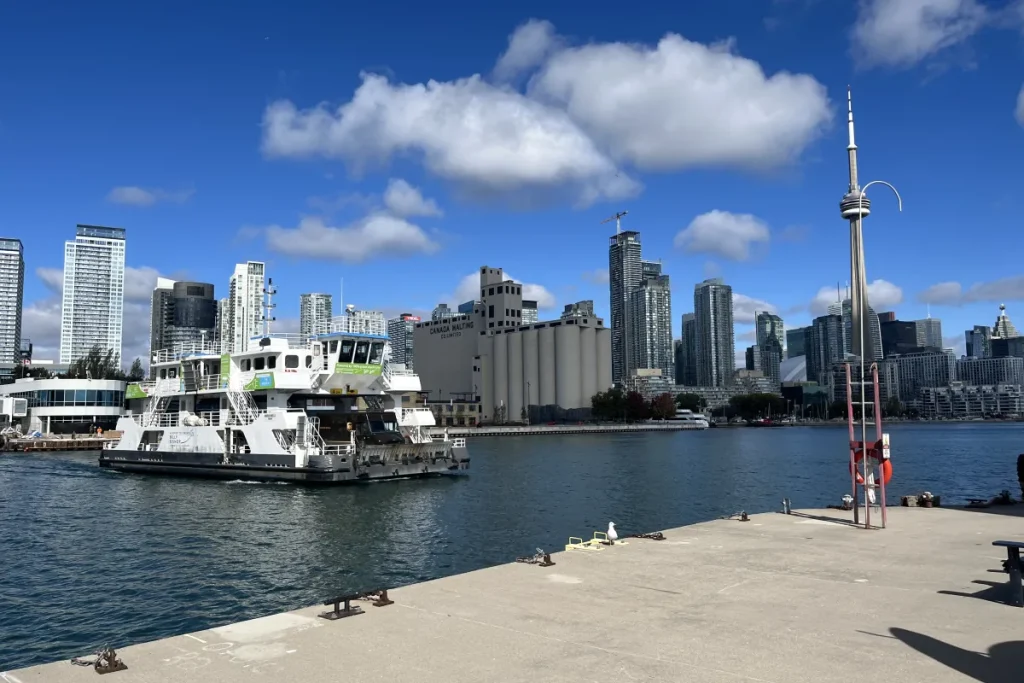
The Marilyn Bell becomes Canada’s first electric, zero-emission ferry following a 20-week retrofit to install a lithium-ion electric power and propulsion system.
Welcoming a Record Bringing New Technology to Harbour Cleanup
2023
The Trash Trapping Program introduces the WasteShark Aquadrone to Toronto Harbour in its Canadian debut. The technology expands the program’s approach to capturing floating waste and demonstrates how innovation and environmental partnerships can support the long-term health of the waterfront.
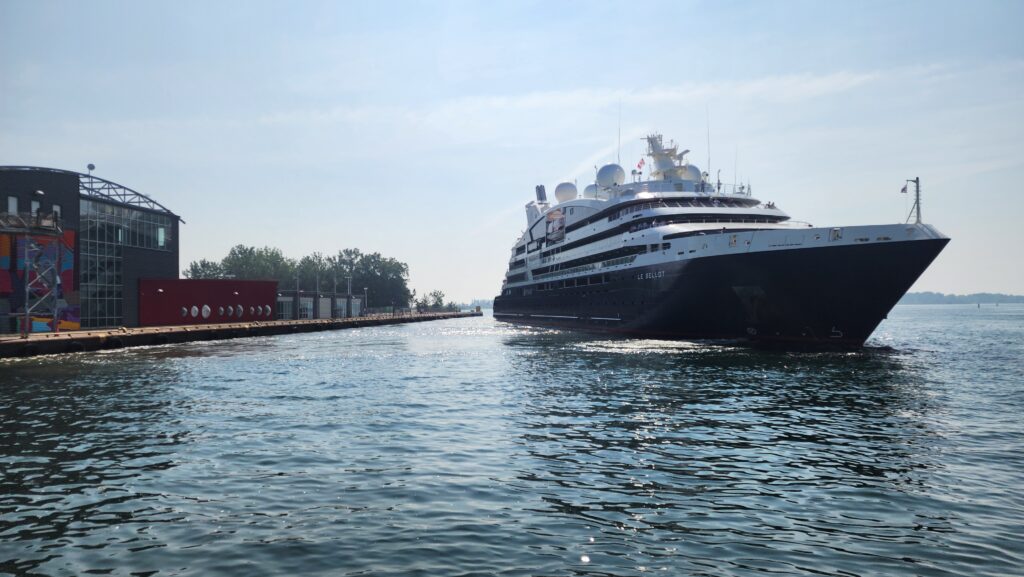
Welcoming a Record Number of Cruise Ship Arrivals
2023
The Port of Toronto Cruise Ship Terminal records 45 cruise ship arrivals and approximately 18,000 passengers, with vessels operated by several international cruise lines. The milestone highlights the port’s growing profile as a Great Lakes destination and the waterfront’s contribution to Toronto’s tourism economy.
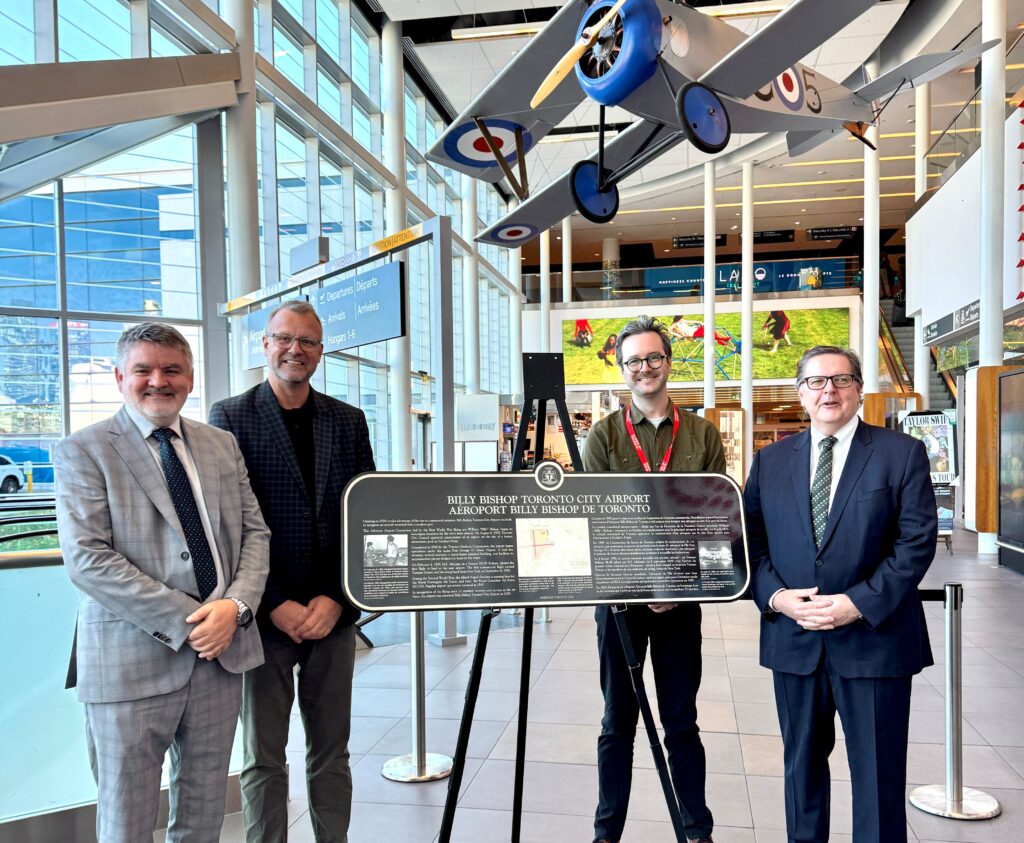
Celebrating 85 Years of Billy Bishop Toronto City Airport
2024
Billy Bishop Toronto City Airport marks its 85th anniversary. From its origins as an early city airport to its role as a modern urban transportation hub, the airport remains a central part of the Toronto Port Authority’s contribution to regional connectivity and economic activity.
Reaffirming a Unified Organizational Identity
2025
The organization consolidates its brand and communications under its legal name, the Toronto Port Authority. The unified identity clarifies its purpose and jurisdiction, bringing its responsibilities for Billy Bishop Toronto City Airport, the Port of Toronto, the Cruise Ship Terminal and the Outer Harbour Marina into sharper focus. It reinforces the organization’s commitment to serving Toronto through transportation infrastructure, waterfront stewardship and economic development.
115 Years of Building Toronto’s Waterfront
2026
The Toronto Port Authority marks 115 years since the establishment of the Toronto Harbour Commissioners in 1911. The anniversary provides an opportunity to reflect on more than a century of waterfront transformation, and on the organization’s continuing role in supporting transportation, economic growth, environmental stewardship and the city’s future.
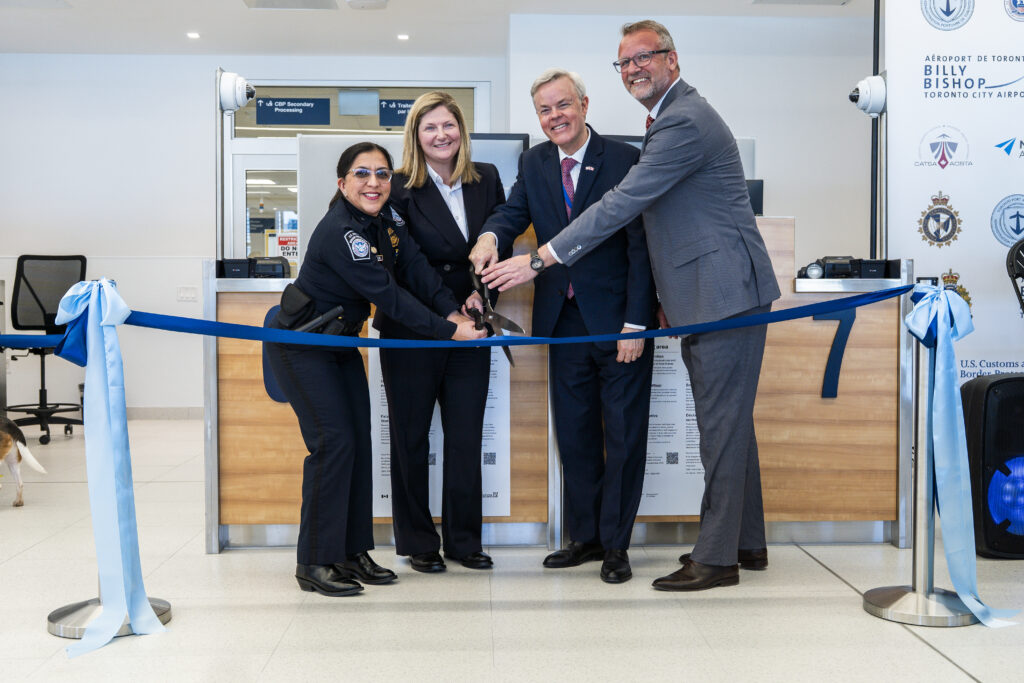
Improving Cross-Border Travel
2026
A U.S. Customs and Border Protection preclearance facility opens at Billy Bishop Toronto City Airport.
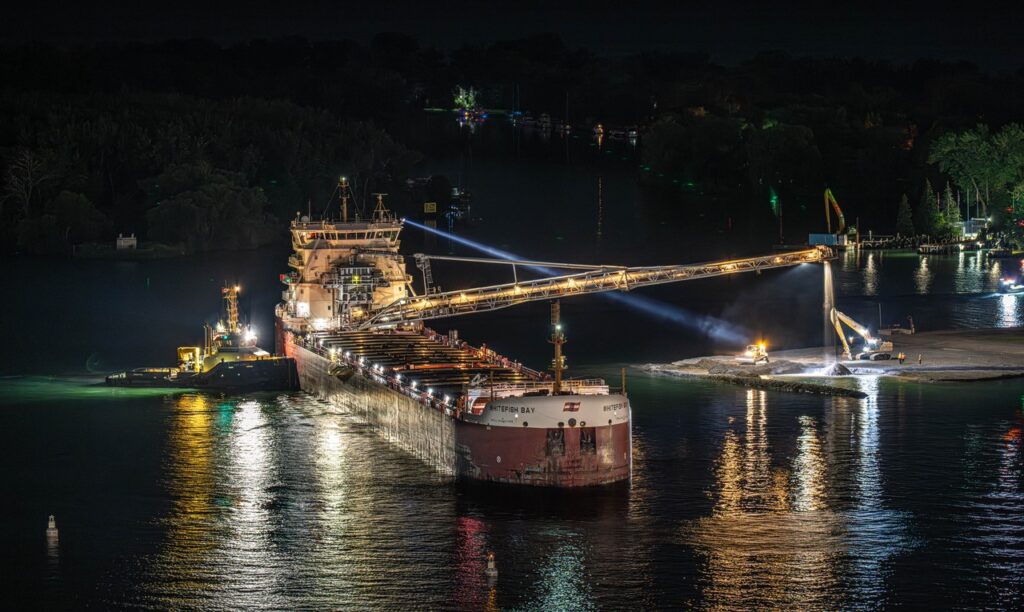
Investing in the Next Generation of Airport Safety
2026
Construction begins on the Runway End Safety Area (RESA) at Billy Bishop Toronto City Airport.